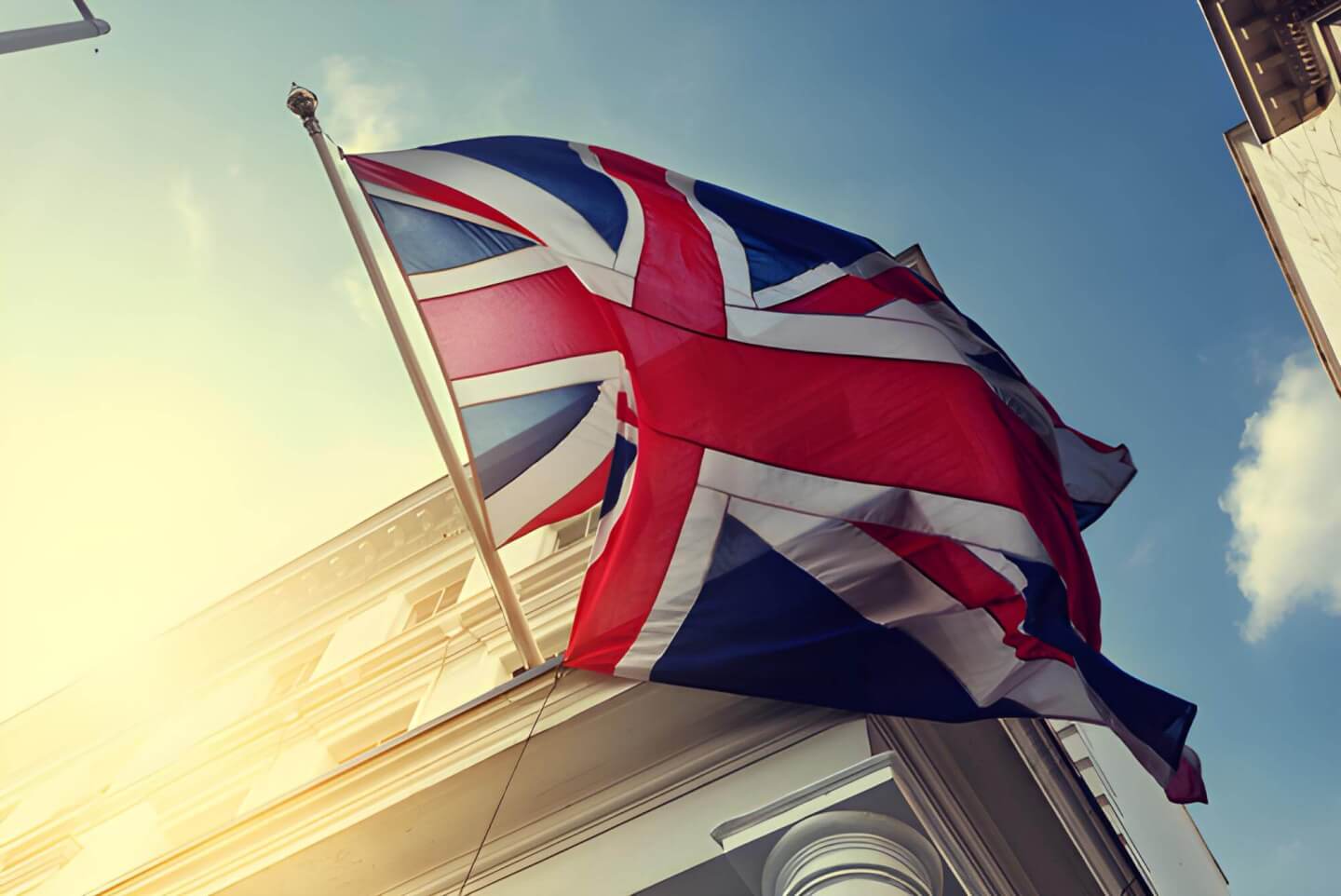
- UK CPI confirmed well above target going into this crisis
- Petrol prices fell last month, but respite won’t last long
- PPI prices also moderate, but this is unlikely to last
- Oil hovering around $100 per barrel, as markets price in the impact of negotiations
- Hopes rise that Strait of Hormuz will reopen, but details still unknown
- UK CPI confirmed well above target going into this crisis
- Petrol prices fell last month, but respite won’t last long
- PPI prices also moderate, but this is unlikely to last
- Oil hovering around $100 per barrel, as markets price in the impact of negotiations
- Hopes rise that Strait of Hormuz will reopen, but details still unknown
The UK’s CPI report for February confirmed that headline inflation remained at 3% for February, unchanged from the January rate. Household services and clothing prices rose last month, while petrol prices fell along with transport, food and alcohol prices, which also dipped slightly.
This report seems out of date after the events in the past few weeks, and it is ironic that petrol prices were falling right before the onset of the Middle East war, which has seen prices at the pump surge.
UK prices well above target heading into Middle East war
Service price inflation was hotter than expected and core prices rose to 3.2%, higher than the 3.1% recorded at the start of the year. This suggests that going into this energy price shock UK inflation was stubbornly above target, and the pockets of price declines like petrol prices, which stopped headline inflation rising above the 3% handle, have reversed. This will add to the upward pressure on UK price growth in the coming months.
CPI report warrants BOE caution
This report warrants the Bank of England’s cautious tone at last week’s meeting, and it may also lead to some upward pressure on bond yields later today. Although the oil price is in retreat on Wednesday, the UK was struggling with high prices before the Middle East conflict, and it will have an even bigger problem to deal with in the months ahead.
PPI cost reprieve likely to be temporary
There was some respite for producer prices, with output costs falling to 1.7% from 2.5% in January. However, input prices have soared for businesses this month and we expect this to be passed on to consumers in the coming months as UK businesses cannot absorb these cost pressures, especially since the government is unwilling to offer them support.
Sterling remains weak in the aftermath of this report, however, the dollar is the strongest currency in the G10 FX space today, as the FX market remains more cautious than equities and commodities on the back of positive developments from the Middle East.
Oil price retreats to $100 per barrel
Deescalation in the Middle East is dominating the market mood. Stock futures are in the green across Europe, and the oil price is oscillating around the $100 per barrel mark. Hopes are rising that there could be a month-long ceasefire while a long-term peace plan is negotiated between the US and Iran. This is boosting market sentiment, but the situation remains fluid.
The Brent crude oil price had been as low as $97 per barrel at one stage this morning, but it is back at the highs of the day around $100 per barrel, after an Iranian spokesperson dashed hopes that peace talks were taking place and said that the US is ‘negotiating with itself’. We expect more statements and denials, as negotiating a long-term peace with the Iranian regime is a complex task. Thus, although the war is in a different stage compared to last week, this is still a news driven market, and traders are cautious until we get concrete plans of what the next steps to peace look like, and what happens as Israel continues to strike Iran.
Strait of Hormuz hopes
Iran has said that it will reopen the Strait of Hormuz for non-hostile vessels. This is a major development for the oil market and opens the door to oil flowing freely around the world once more. However, we do not know the details. What will Iran consider as non-hostile? Will tankers need to pay ransoms to Iran? There are also signs that the US want to control the Strait, it is hard to see Iran and the US working together in harmony, but stranger things have happened.
For now, we think that the bias is to the downside for the oil price, however, it depends on the tone of the news flow. With the long-term constraints to supply due to recent attacks on oil and gas facilities in the Gulf, the oil price is unlikely to fall below $90 per barrel for the longer term, regardless of the outcome of these negotiations.


Volkswagen: Could a potential deal with Israel save the plant in Saxony?


OIL: Growing market hopes for de-escalation? ⚔️
Morning wrap (25.03.2026)

Daily summary: Trump’s remarks give Wall Street some hope🗽 Oil hovers around $100
This content has been created by XTB S.A. This service is provided by XTB S.A., with its registered office in Warsaw, at Prosta 67, 00-838 Warsaw, Poland, entered in the register of entrepreneurs of the National Court Register (Krajowy Rejestr Sądowy) conducted by District Court for the Capital City of Warsaw, XII Commercial Division of the National Court Register under KRS number 0000217580, REGON number 015803782 and Tax Identification Number (NIP) 527-24-43-955, with the fully paid up share capital in the amount of PLN 5.869.181,75. XTB S.A. conducts brokerage activities on the basis of the license granted by Polish Securities and Exchange Commission on 8th November 2005 No. DDM-M-4021-57-1/2005 and is supervised by Polish Supervision Authority.