


Producer Price Inflation (PPI) – Germany
• PPI inflation (m/m): actual -0.3% (forecast -0.2%, previous 0.3%)
• PPI inflation (y/y): actual 1.8% (forecast –, previous 2.2%)
Why are these data important?
Producer Price Inflation (PPI) in Germany measures changes in the prices of goods at the producer level, before they reach consumers. It is an important leading indicator for consumer inflation (CPI), as changes in production costs can eventually be passed on to final prices. Given Germany’s role as the largest economy in the euro area, PPI data are particularly important for assessing the future inflation outlook across the region.
A stronger-than-expected increase in PPI would indicate persistent cost pressures in the German economy and could limit the European Central Bank’s ability to ease monetary policy. On the other hand, weaker data, such as the latest reading showing a monthly decline in producer prices and a lower annual growth rate, suggest a gradual fading of inflationary pressures and provide the ECB with greater flexibility in its interest rate decisions.
PPI data are especially relevant in the current environment, as the German industrial sector continues to face weak demand and elevated operating costs. Continued disinflation could support a more dovish approach from the ECB, particularly if future releases confirm further moderation in price growth across the euro area.
The publication also has implications for financial markets. A stronger-than-expected rise in PPI could lead to higher European bond yields and support the euro through expectations of a more restrictive ECB policy stance. Conversely, weaker data pointing to limited price pressures could have the opposite effect, reinforcing expectations of a more accommodative monetary policy and potentially putting additional pressure on the euro.
What did the release show?
Germany’s PPI data pointed to a further easing of price pressures at the producer level, with the latest reading coming in weaker than market expectations. Producer prices declined by 0.3% month-over-month, compared with the expected drop of 0.2%, while the annual growth rate slowed to 1.8% from 2.2% previously.
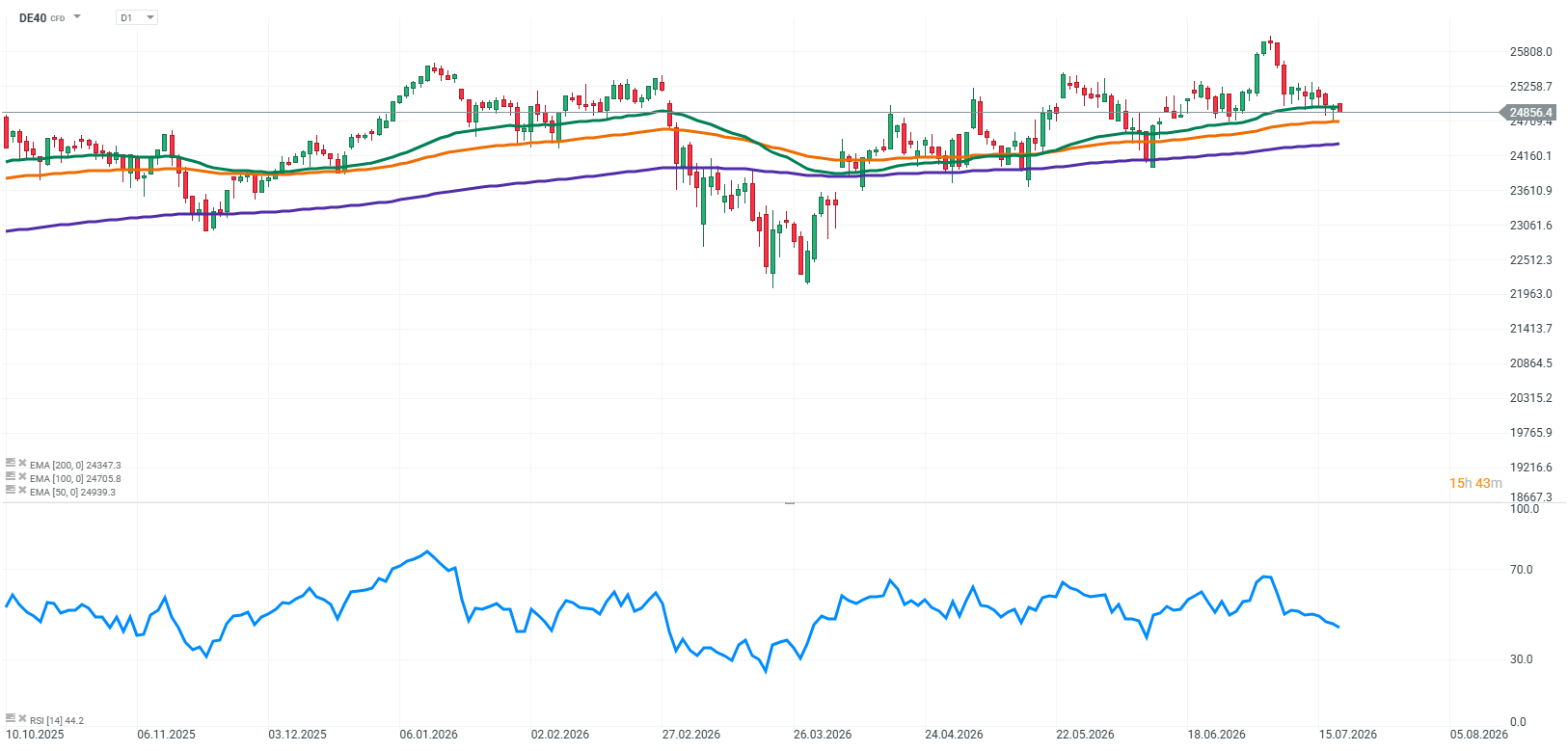
The data suggest that German companies continue to face limited ability to pass higher costs on to customers, reflecting weaker demand and ongoing challenges in the industrial sector. The release supports the narrative of gradually cooling inflationary pressures across the euro area and may strengthen expectations for a more cautious approach from the European Central Bank regarding monetary policy.
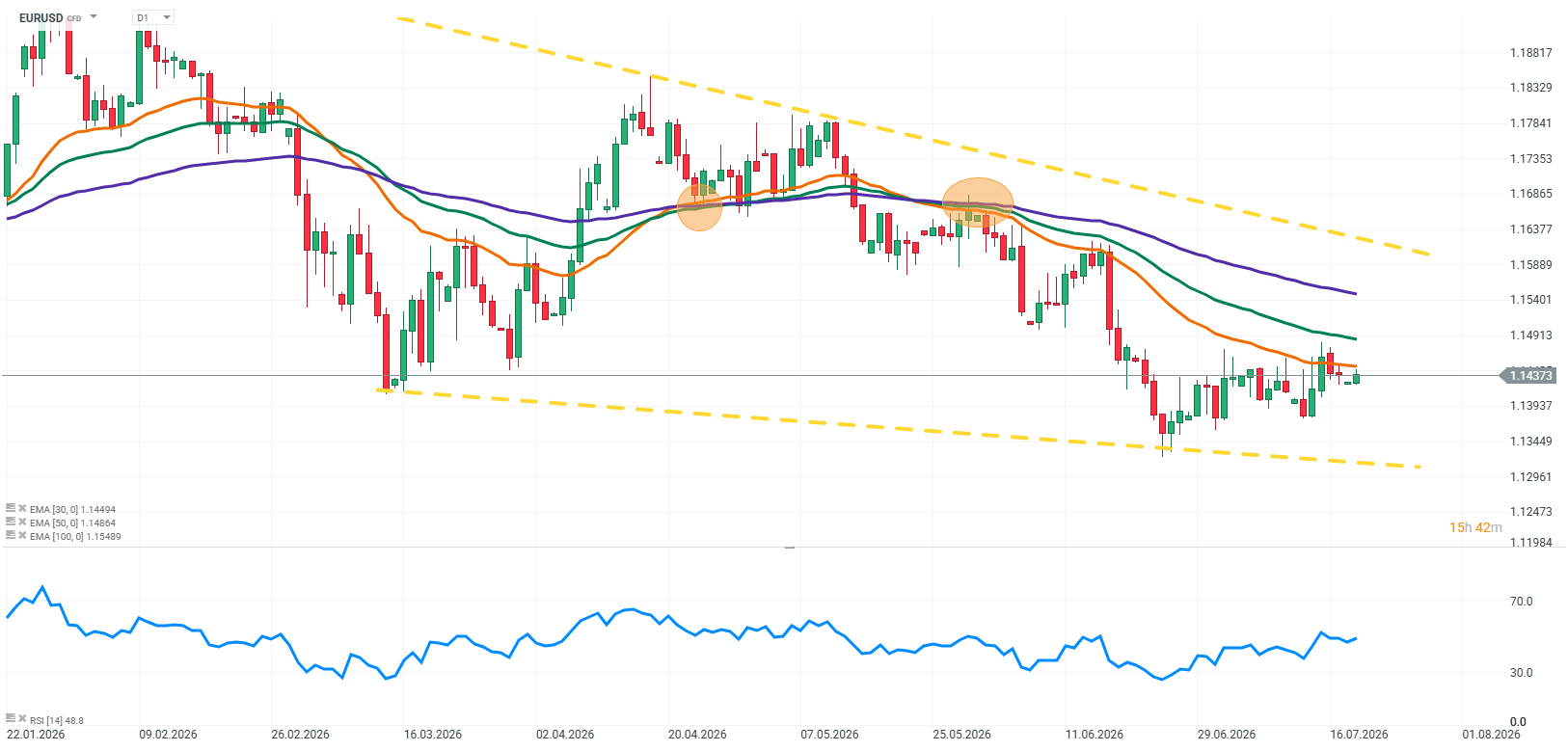
From a foreign exchange market perspective, the publication is moderately negative for the euro, as it confirms the absence of strong inflationary impulses and highlights continued weakness in the German economy.
Source: xStation5
Source: xStation5


When will the rise in oil prices reach us?



Daily Summary: Equities Diverge as Tech Lags, Europe Rallies on Earnings & PMIs (24.07.2026)



Three markets to watch next week (24.07.2026)


Oil Slides Ahead of the Weekend!
The material on this page does not constitute as financial advice and does not take into account your level of understanding, investment objectives, financial situation or any other particular needs.
All the information provided, including opinions, market research, mathematical results and technical analyses published on the website or transmitted to you by other means is provided for information purposes only and should in no event be interpreted as an offer of, or solicitation for, a transaction in any financial instrument, nor should the information provided be construed as advice of legal or fiscal nature.
Any investment decisions you make shall be based exclusively on your level of understanding, investment objectives, financial situation or any other particular needs. Any decision to act on information published on the website or transmitted to you by other means is entirely at your own risk. You are solely responsible for such decisions.
If you are in doubt or are not sure that you understand a particular product, instrument, service, or transaction, you should seek professional or legal advice before trading.
Investing in OTC Derivatives carries a high degree of risk, as they are leveraged based products and often small movements in the market could lead to much larger movements in the value of your investment and this could work against you or for you. Please ensure that you fully understand the risks involved, taking into account your investments objectives and level of experience, before trading, and if necessary, seek independent advice.
